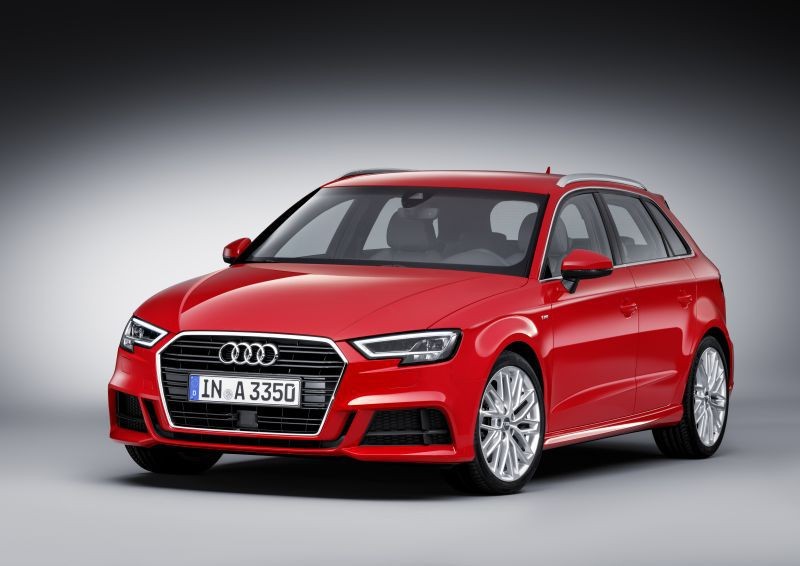
 Audi A3/S3 8V (2015-2020)
Air Suspension Parts | Air Springs Audi A3/S3 8V
Audi A3/S3 8V (2015-2020)
Air Suspension Parts | Air Springs Audi A3/S3 8V
Conversation in AI mode: Mercedes GLS X166 (2015-2019) Mercedes GLS X166 (2015-2019) Mercedes-Benz GLS (X166), produced between 2015 and 2019, is the facelift of the second generation GL-Class. With this update, the model was renamed to GLS to emphasize its positioning as the off-road counterpart of the flagship S-Class. It is a huge, luxurious 7-seater SUV over 5.1 meters long, with standard air suspension and four-wheel drive (4MATIC). ⚙️ Engines and Modifications Almost all versions of the GLS X166 (except for early American units) are equipped with the modern 9-speed automatic transmission 9G-TRONIC, which significantly improves fuel consumption and dynamics compared to the old 7-speed transmission. Model Engine Fuel Type Power Key Feature GLS 350d 3.0L V6 (OM642) Diesel 258 hp / 620 Nm The most common and sensible choice for Europe. Huge torque. GLS 400 3.0L V6 (M276) Petrol 333 hp / 480 Nm Extremely robust and reliable biturbo engine. The golden mean. GLS 500 (550 for USA) 4.7L V8 (M278) Petrol 455 hp / 700 Nm Great dynamics (0-100 in 5.3 sec), but expensive to maintain. GLS 63 AMG 5.5L V8 (M157) Petrol 585 hp / 760 Nm Brutal power (0-100 in 4.6 sec), but with astronomical operating costs. ⚠️ Common Problems and Weaknesses (Buyer's Guide) If you are considering buying a used GLS X166, you should be prepared for the following potential issues: 1. Air Suspension (Airmatic): • Problem: The car weighs nearly 2.5 tons, which puts a serious load on the system. The air springs and shock absorbers usually last between 100,000 and 150,000 km. Compressor failures or air leaks lead to the car "dropping" on one side. 2. Problems with V8 Petrol Engines (M278 and M157): • Bore Scoring: This is the biggest fear with the 4.7L and 5.5L engines. Although Mercedes improved the cylinder coating after 2015 (with the facelift), the risk remains. A mandatory endoscope inspection is required before purchase. • Chains and Tensioners: Listen for rattling during a cold start. 3. Diesel Ecology (GLS 350d): • Like any modern diesel, if driven mainly on short city distances, the AdBlue system (heaters and NOx sensors) and the DPF filter clog quickly, and repairs are very expensive. Oil leaks in the "V" space of the engine (around the oil cooler) are also common. 4. Electronics and Interior: • Due to the huge number of modules, software "bugs" are sometimes observed – freezing of the COMAND multimedia, problems with the blind spot radars (Blind Spot Assist) that get flooded behind the rear bumper, and failure of the mechanisms for electric folding of the third-row seats. 5. Rapid Wear of Consumables: • The heavy body literally "eats" the brake discs, pads, and tires (especially the rear ones). Check the alignment of the axles (adjustment). ???? Purchase Recommendation The most trouble-free and secure choice in the long term is the GLS 400 (V6 petrol). It does not have the severe defects of the V8 and the problems with city driving of the diesel. If you are looking for economy for long trips, take the GLS 350d, but only with a full service history and verifiable mileage. Do you have a specific ad in mind or are you hesitating between certain engines? I can assist you with details on fuel consumption, specific equipment (such as the Off-Road package), or the expected market prices at the moment. AI responses may contain errors. Learn more • Auto-Data.net Mercedes-Benz GLS (X166) | Technical Specifications ... Mercedes-Benz GLS (X166). Mercedes-Benz · Mercedes-Benz GLS · Maybach GLS (X167, facelift 2026) · GLS (X167, facelift 2026) · Mayb... • Auto-Data.net Mercedes-Benz GLS (X166) GLS 350d (258 hp) 4MATIC G-TRONIC | Technical Specifications, Fuel Consumption, Dimensions Mercedes-Benz GLS (X166) Body: SUV, 5 doors, 5 seats * Power: Engine: 3.0 L (2987 cm3), 6 V-cylinders * Transmission: 9-speed auto... • YouTube·The Miles Driven Used Mercedes GLS X166 Buyers guide (2013-2019) Avoid ... 3.12.2025 г. — Mercedes GLS-Class X166 used car buyers guide and owners guide for GLS350d, GLS400, GLS450, GLS500, GLS550, GLS63 as well as the e... 18:02 Show all Mercedes GLE W166 (2015-2018) Mercedes-Benz GLE (W166), produced between 2015 and 2018, is practically the facelift of the third generation M-Class (ML). To unify the brand's nomenclature, the model was renamed to GLE (where "E" indicates that the SUV is the counterpart of the E-Class). It is an extremely popular, luxurious mid-size premium SUV that offers a great balance between family comfort, off-road capability, and prestige. Unlike the larger GLS, the GLE W166 is standardly offered with conventional spring suspension, while the pneumatic Airmatic is an option for smaller engines. ⚙️ Engines and Modifications In the GLE W166, almost all modifications now work with the modern 9-speed 9G-TRONIC transmission, except for the plug-in hybrid (GLE 500e) and early diesel versions for some markets, which retained the 7G-TRONIC. Model Engine Fuel Type Power Key Feature GLE 250d 2.1L L4 (OM651) Diesel 204 hp / 500 Nm Economical 4-cylinder engine. A bit weak for the body, but cheap to maintain. Also available with rear-wheel drive (2WD). GLE 350d 3.0L V6 (OM642) Diesel 258 hp / 620 Nm The most preferred balance for the model. It has huge torque and a long lifespan. GLE 400 3.0L V6 (M276) Petrol 333 hp / 480 Nm Very reliable biturbo petrol engine. Does not have the factory defects of the larger V8. GLE 43 AMG 3.0L V6 (M276) Petrol 367 / 390 hp Factory "pumped" version of the GLE 400 with a sporty look and sharper sound. GLE 500 4.7L V8 (M278) Petrol 435 hp / 700 Nm Extremely fast luxury "cruiser," but expensive to maintain. GLE 500e 3.0L V6 + Electric Hybrid 442 hp (combined) Plug-in hybrid with a small electric range (about 30 km), but very high technological risk when used. GLE 63 / 63 S 5.5L V8 (M157) Petrol 557 / 585 hp A true AMG beast with brutal acceleration, high consumption, and expensive consumables. ⚠️ Common Problems and Weaknesses (Buyer's Guide) Although it is considered one of the most refined and free from childhood diseases models (since the platform has been developed since 2011 with the ML), the GLE W166 has its specifics: 1. Ecological Systems in GLE 350d and 250d: • The notorious AdBlue system (tank, heaters, pumps) is a frequent source of headaches and dashboard errors. The urea injection nozzles also clog. • In the 3.0-liter diesel (OM642), oil leaks from the oil cooler (located in the middle of the "V" block) regularly appear. The gaskets themselves are cheap, but the labor for disassembly is expensive. 2. Timing Chains in OM651 (GLE 250d): • The engine is extremely durable, but the chain is located at the rear of the engine (towards the cabin). Its stretching turns into an expensive repair, as it often requires engine removal. 3. Bore Scoring in V8 Petrol: • Just like in the GLS, the M278 (GLE 500) and M157 (GLE 63) engines require increased attention. It is highly recommended to inspect the cylinders with a camera (endoscope) before purchase. 4. Air Suspension Airmatic (if the car is equipped with it): • Unlike the GLS, here you can find units with regular springs (often in 250d and 350d), which saves thousands of levs in the future. In cars with Airmatic, the front springs and rear shock absorbers usually give up around 150,000 km. 5. Moisture in Blind Spot Sensors: • The radars behind the rear bumper are poorly insulated from the factory. Water and salt ingress during winter burns them out, which can "drive" the car's CAN bus crazy, causing the car to refuse to start or show multiple errors. 6. Water Leaks in the Cabin: • Check the carpet in the passenger footwell and trunk. Clogged sunroof or air conditioning drains can flood the cabin, where key electronic modules (SAM modules) are located. ???? Purchase Recommendation • For maximum reliability: Look for GLE 400 (V6 petrol). The engine is extremely successful, does not have the problems of diesels with city driving, and is very dynamic. • For long trips and economy: Look for GLE 350d, but be sure to check the condition of the chain, nozzles, and for oil leaks. If you find a unit with standard spring suspension, this is a huge plus for your budget in the long term. Which body type are you aiming for – the classic SUV or the sportier GLE Coupe (C292)? Also, share whether you insist on the car having air suspension (Airmatic) or prefer the simpler spring suspension. AI responses may contain errors. Learn more Mercedes GLS X167 Mercedes-Benz GLS (X167), introduced in 2019 (on sale from 2020) and facelifted in 2023, is the third generation of the brand's top 7-seater SUV. Often called the "S-Class among SUVs," this model is built on an entirely new platform (MHA), is larger than its predecessor (X166), and is equipped with the brand's most advanced technologies. All versions standardly feature a 9G-TRONIC automatic transmission, 4MATIC drive, and an intelligent 48V mild hybrid system (EQ Boost), which assists the start and reduces fuel consumption. For the first time in this generation, the ultra-luxurious Mercedes-Maybach GLS 600 version appears. ⚙️ Engines and Modifications The X167 generation abandoned the old problematic V6 engines and switched to extremely modern and balanced inline 6-cylinder engines (petrol and diesel), as well as updated V8 units. Model Engine Fuel Type Power Key Feature GLS 350d 2.9L Inline 6 (OM656) Diesel 286 hp / 600 Nm Extremely balanced, quiet, and powerful inline diesel. Very successful engine. GLS 400d / 450d 2.9L / 3.0L Inline 6 Diesel 330 - 367 hp The 400d version is the absolute hit on the market in Europe – huge power, low consumption. GLS 450 3.0L Inline 6 (M256) Petrol 367 hp + EQ Boost Very smooth operation, extremely reliable petrol six with electric turbo. GLS 580 4.0L V8 (M176) Petrol 489 hp + EQ Boost Modern V8 with turbos in the "V" space (Hot-V). Great dynamics. Maybach GLS 600 4.0L V8 (M177) Petrol 557 hp A palace on wheels, tuned for maximum comfort of the rear seats (usually 4-seater). GLS 63 AMG 4.0L V8 (M177) Petrol 612 hp The sporty flagship. Accelerates from 0 to 100 km/h in an incredible 4.2 seconds. ⚠️ Possible Problems and Areas of Attention (Secondary Market Buyer's Guide) Since the model is relatively new, many of the cars on the market are still at reasonable mileage, but the technological complexity of the X167 requires serious attention: 1. Complex Electronics and Software (MBUX System): • Early units (2020-2021) suffered from software teething problems – black screens on multimedia, software freezes on the digital dashboard, and false error messages in the assist systems. Most have been fixed with dealer updates, but it is essential to check if everything works. 2. Problems with 48V Battery (EQ Boost System): • This is one of the most common factory weaknesses in the first years of production. The 48-volt battery or its software module sometimes fails without warning. Since the car does not have a standard alternator, a problem with the 48V system causes the car to stall and not start. Mercedes had service campaigns on this issue. 3. Suspension (Airmatic and E-Active Body Control): • The standard Airmatic suspension is more reliable than that of the X166, but it is still expensive to repair after 150,000 km. • The optional hydropneumatic suspension E-Active Body Control (which allows the car to "bounce" to get out of sand and scans the road) is an engineering marvel but is extremely complex and astronomically expensive to repair out of warranty. Avoid it if you seek long-term financial predictability. 4. Coolant Leaks and Thermostats: • Some diesel engines (OM656) have defects in the vacuum-controlled water pump or electronic thermostat, leading to coolant loss. 5. Quality of Some Interior Materials: • Despite the high price, users complain about squeaking plastics around the center console and rapid wear/abrasion of the steering wheel buttons with intensive use. ???? Purchase Recommendation • The best choice for Europe: GLS 400d (or facelifted 450d). The new inline 6-cylinder diesel OM656 is one of the best engines ever made by Mercedes – it is much more reliable than the old V6 from the previous generation. • The best petrol choice: GLS 450. It does not require the maintenance of the big V8, has enough power, and operates extremely smoothly. Given the higher price of this generation, are you considering buying a car from an official dealership (Mercedes Certified) with remaining warranty, or are you looking at imports from abroad? I can provide you with details on the differences in the 2023 facelift if you are hesitating between an earlier and a newer unit. AI responses may contain errors. Learn more until what year is the model The Mercedes GLS X167 model has been in production since the end of 2019 and is still being produced today. Since this is the current generation on the market, its life cycle is not yet complete. During its production time, the model goes through two important updates: • 2019 – 2023: Initial version of the model (before the facelift). • 2023 – 2026: First facelift, where the front grille is updated, the light signature of the taillights is refreshed, and the newer software version of the MBUX multimedia is implemented. • From 2026 onwards: The second major facelift (for the 2027 model year) is released on the market. It brings an even more luxurious look, new technologies in the cabin (directly inspired by the S-Class), and a slight increase in power for some engines. Are you interested in the differences between the initial version (2019-2023) and the facelift to decide which is more worth your budget? I can tell you about the changes in the exterior and interior. AI responses may contain errors. Learn more • Wikipedia Mercedes-Benz GLS (X167) - Wikipedia Mercedes-Benz GLS (X167) is a full-size luxury crossover SUV produced since October 2019, Received facelifts in 2023 (2024 model y... • Automoli Model versions Mercedes-Benz GLS - Automoli Choose a Mercedes-Benz GLS generation * GLS (X167, facelift 2026) 2026–present In production. SUV · 313–381 HP. 3 engine variants. • usecarscout.com Used Mercedes-Benz GLS X167 (2020-2026): Buyer's Guide 11.08.2026 г. — The X167 GLS launched for model year 2020, it was the first Mercedes SUV with fully power-adjustable second and third rows, plus a... Show all so for now 2019-2026? Exactly, the first main phase of the model covers the period from the end of 2019 to 2026. If we have to be completely precise regarding market changes, this period is divided into two parts: • 2019 – 2023: The original version (before the facelift). • 2023 – 2026: The first facelift (the current units we see massively on the roads and in showrooms at the moment). Since we are already in 2026, Mercedes-Benz is officially preparing and launching the second major facelift, which will keep the model fresh for the next few years. This means that if you are buying a used car now, you will be choosing among units produced in the interval 2019–2026. Do you have a preference for a specific price range – the earlier units (2020-2021) or the newer modifications after the 2023 facelift? I can highlight the main changes the brand made in 2023 to help you decide if the higher price is worth it. AI responses may contain errors. For legal advice, consult a specialist. Learn more Land Rover Defender L663 Land Rover Defender (L663), introduced at the end of 2019 (on sale from 2020) and produced to this day, is a radical rebirth of the legendary model. The brand abandoned the old concept of a purely spartan work vehicle on a frame and created a modern, extremely luxurious, and high-tech car with an aluminum monocoque body (D7x platform). The model combines the comfort of a Range Rover for long journeys with phenomenal off-road capabilities thanks to the Terrain Response 2 system. It is available in three body lengths: 90 (short wheelbase, 3 doors), 110 (standard wheelbase, 5 doors), and 130 (extended rear, up to 8 seats). ⚙️ Engines and Modifications Defender L663 uses modern engines from the Ingenium family. Almost all modifications (except for the base 4-cylinder ones from the first years) feature a 48V mild hybrid system (MHEV). The transmission is always an 8-speed automatic from ZF, combined with a transfer case for high/low gears. Model Engine Fuel Type Power Key Feature D200 / D240 2.0L L4 Diesel 200 / 240 hp Early 4-cylinder diesels (2020). A bit noisy and strained for this body. D200 / D250 / D300 3.0L Inline 6 Diesel 200 to 300 hp Introduced at the end of 2020. Extremely robust, refined, and powerful sixes. D300 is a hit in Europe. P300 2.0L L4 Petrol 300 hp Base petrol engine. Has decent dynamics but high consumption under load. P400 3.0L Inline 6 Petrol 400 hp Very smooth inline six with an electric compressor. Great dynamics. P400e 2.0L L4 + Electric Plug-in Hybrid 404 hp (combined) Available only for model 110. Can travel about 40 km purely on electricity, but is software complex. P525 / P425 / OCTA 5.0L V8 / 4.4L V8 Petrol 425 to 635 hp Top versions. The old 5.0 supercharger was replaced by the more modern 4.4L Twin-Turbo from BMW. The OCTA version (635 hp) is the top of the range. ⚠️ Common Problems and Weaknesses (Secondary Market Buyer's Guide) Although it is light years ahead of the old model in terms of comfort, the Defender L663 suffers from the typical software and mechanical quirks of the modern Land Rover brand: 1. Electrical "Bugs" and Multimedia (Pivi Pro): • The most common complaints are related to electronics. Owners regularly report freezing of the central screen, failure of the digital dashboard, problems with the 360-degree camera system, and unnecessary activation of parking sensors. Most problems are solved with "Over-the-Air" (OTA) updates, but sometimes require module restarts in service. 2. Front Windshield Problems (Cracks): • Due to the strongly vertical and aerodynamically upright design of the windshield, it is extremely prone to stone chips. There are hundreds of complaints from owners about easy cracking of the windshield with minimal contact on the highway. 3. Air Suspension: • Air suspension is standard for versions 110 and 130 (optional for 90). It provides incredible comfort and ride height adjustment, but the level sensors often get clogged during off-road or salt driving, leading to dashboard errors. 4. Cracking Plastics and Wind Noise: • Due to its square shape, at speeds over 130 km/h, noticeable wind noise appears around the A-pillars and side mirrors. In some early units (2020-2022), the external plastic panels on the body (especially the so-called "signature graphic" square on the side window) start to creak. 5. Leaks in the Plug-in Hybrid (P400e): • Early hybrid systems sometimes show errors in the battery cooling system, putting the car in limp mode. ???? Purchase Recommendation The absolute favorite for a used purchase is the Defender 110 with the 3.0-liter inline 6-cylinder diesel (version D250 or D300). This engine is perfectly sized for the car's weight, offers huge torque for overtaking or towing, and is significantly more reliable than the old 4-cylinder engines. Which body length attracts you more – the short and maneuverable 90, the standard family 110, or the huge 130? Also, share whether you plan to use the car for serious off-roading, so I can tell you which extra packages (like the active rear differential) to look for. AI responses may contain errors. Learn more BMW X5 (G05 / F95) BMW X5 (G05), introduced in 2018 and undergoing a major facelift (LCI) in 2023, is still being produced today. The model with the F95 index is its brutal, all-sport version X5 M. This generation is one of the most successful in the model's history, offering a perfect combination of sporty road behavior, top luxury, top multimedia, and extremely successful engines. Unlike the Mercedes GLE, the X5 focuses much more on cornering dynamics. The car is built on the CLAR platform and offers options like a rear steering axle and active anti-roll bars. ⚙️ Engines and Modifications All versions use the perfect 8-speed automatic transmission from ZF (8HP) and intelligent four-wheel drive xDrive. After the 2023 facelift, all engines receive 48V mild hybrid technology. Model Engine Fuel Type Power Key Feature xDrive30d 3.0L Inline 6 (B57) Diesel 265 - 298 hp The absolute bestseller in Europe. Extremely robust, economical, and balanced inline diesel. xDrive40d 3.0L Inline 6 (B57) Diesel 340 - 352 hp Biturbo diesel with very serious torque (700+ Nm) and low consumption. M50d 3.0L Inline 6 (B57) Diesel 400 hp Unique engine with 4 turbos (produced until 2020). An engineering marvel, but very complex after 150,000 km. xDrive40i 3.0L Inline 6 (B58) Petrol 333 - 381 hp The legendary B58 engine. Considered one of the most reliable modern petrol engines in the world. xDrive45e / 50e 3.0L Inline 6 + Electric Plug-in Hybrid 394 / 489 hp The best plug-in hybrid on the market. Travels 80-100 km realistically on electricity, using the robust B58 petrol engine. M50i / M60i 4.4L V8 (N63 / S68) Petrol 530 hp Huge power and V8 sound. The new S68 engine (after 2023) is much more reliable than the old N63. X5 M / Competition (F95) 4.4L V8 (S63 / S68) Petrol 600 - 625 hp A pure AMG/M weapon. Extremely stiff suspension, brutal acceleration, but expensive maintenance. ⚠️ Common Problems and Areas of Attention (Secondary Market Buyer's Guide) The G05 generation is considered much more reliable than the old model (F15), but given the huge amount of technology, there are a few important details: 1. Transfer Case Problems (xDrive Transfer Case): • In units before the facelift, premature wear or defect in the transfer case often appears. Symptoms include slight jerking, interruption, or "stuttering" during acceleration in a low-speed turn. It is often due to incorrect tire size (different from factory) or untimely oil change in the transfer case (recommended every 60,000 km). 2. Air Suspension (option): • Unlike previous generations, here the air suspension can be on both axles (not just the rear). The comfort is great, but the compressor is located under the trunk floor outside and in older units suffers from corrosion or defects in the valve block. 3. Brake System (Integrated Brake Module - IB): • BMW had a large-scale service campaign for models produced between 2022 and 2024 due to a potential defect in the electronic brake module, which can reduce braking efficiency or disable ABS/DSC. Be sure to check by VIN number if the campaign has been executed. 4. Interior Electronics and Live Cockpit: • The notorious iDrive 7 software (before the facelift) and iDrive 8 (curved screen after the facelift) sometimes lose Bluetooth connection, restart without reason, or the navigation loses GPS signal. Usually resolved with an update. The climate system in early models sometimes suffers from defective flaps (noise behind the dashboard). 5. Cooling System in B58 and B57: • The engines are extremely robust, but the plastic components in the cooling system (thermostat housing, water pump, and coolant hoses) become brittle with years and mileage, leading to hidden coolant leaks. ???? Purchase Recommendation • The absolute hit for economy and long trips: xDrive30d. The B57 engine has no childhood diseases and lasts hundreds of thousands of kilometers with proper maintenance. • The best petrol choice: xDrive40i. The B58 engine is legendary in terms of reliability and dynamics. • The city favorite: xDrive45e (before the facelift) or 50e (after the facelift). If you have a place to charge the car at home or in the office, this is perhaps the most successful SUV hybrid ever made. Do you have preferences for the look – the standard or the more aggressive M Sport package? Also, is the curved dual display (Curved Display), implemented after the 2023 facelift, important to you, or do you prefer the classic interior with physical climate control buttons? AI responses may contain errors. Learn more Audi A3/S3 V8 (2015-2020) please provide information related to something exceptional for the model, as well as information about the air suspension Audi A3/S3 from the 8V generation (facelift period 2015–2020) is one of the most successful premium compact models on the market. With it, Audi achieved the perfect balance between luxury, low weight, and dynamics thanks to the modular MQB platform.
Audi Magnetic Ride: This is an adaptive sport suspension with magnetorheological dampers. The oil in the dampers contains microscopic metal particles. When the computer sends an electric current through them, they change the viscosity of the fluid in milliseconds.
Read more Hide text
Manufacturer : Arnott
Model :
Original part number : RH-5047
Model :
Original part number : RH-5047
Upon request
127.93 €
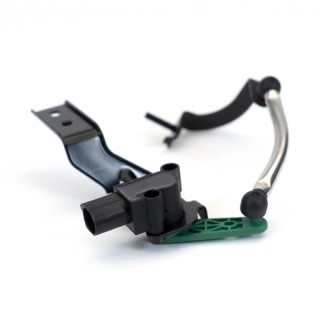
Manufacturer : Arnott
Model :
Original part number : RH-5046
Model :
Original part number : RH-5046
In Stock
127.93 €
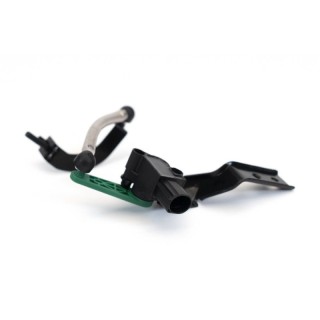
Manufacturer : Arnott
Model :
Original part number : RH-5049
Model :
Original part number : RH-5049
In Stock
127.93 €
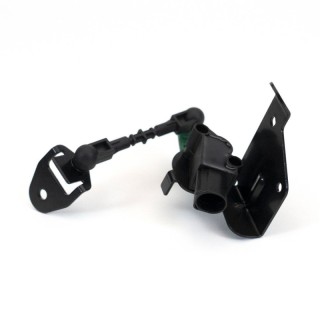
Manufacturer : Arnott
Model :
Original part number : RH-5050
Model :
Original part number : RH-5050
In Stock
127.93 €
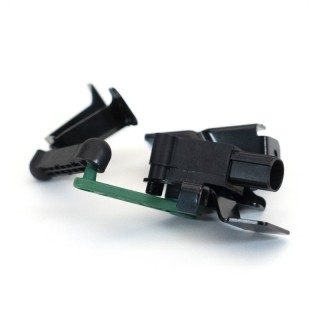
Manufacturer : Arnott
Model :
Original part number : MR-3852
Model :
Original part number : MR-3852
In Stock
533.52 €
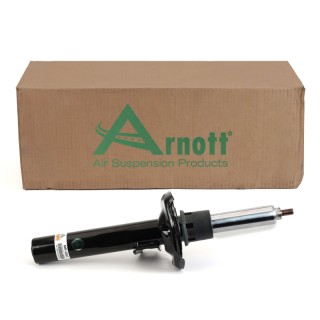
Manufacturer : Arnott
Model :
Original part number : MR-5742
Model :
Original part number : MR-5742
In Stock
493.85 €
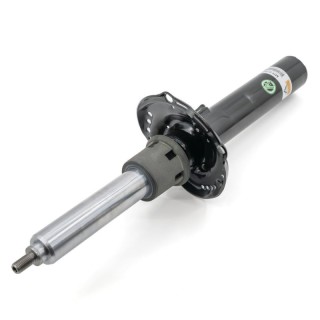
Importer : AEROPIK
Model :
Original part number : MR-3851
Model :
Original part number : MR-3851
In Stock
414.52 €
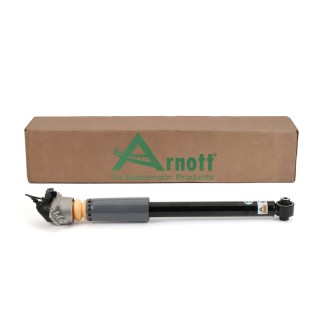
Manufacturer : Arnott
Model :
Original part number : MR-5743
Model :
Original part number : MR-5743
In Stock
404.60 €
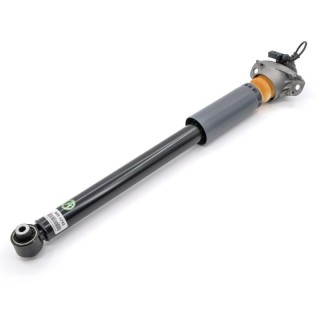
Manufacturer : Arnott
Model :
Original part number : MR-5368
Model :
Original part number : MR-5368
In Stock
374.85 €
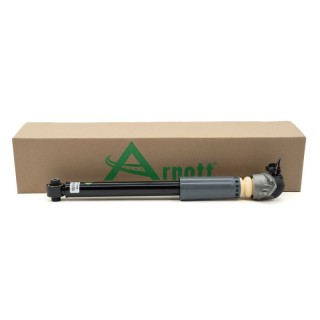
Page 1 / 1
Most wanted brands