Air Suspension to Coil Spring Conversion
Air Suspension to Coil Spring Conversion – When Is It the Right Choice?
Introduction
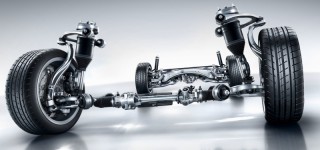
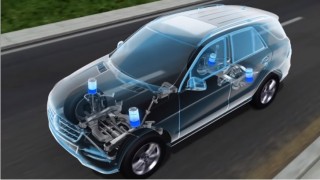
Air suspension systems provide exceptional ride comfort, automatic ride height adjustment, and excellent vehicle stability under a wide range of driving conditions. This is why they are fitted as standard or optional equipment on many models from BMW, Mercedes-Benz, Audi, Land Rover, Porsche, Jeep, Volkswagen, and other premium vehicle manufacturers.
However, like any mechanical system, air suspension components wear over time. Air springs, compressors, valve blocks, height sensors, and air lines are all subject to ageing and eventually require replacement. As vehicles get older, the cost of repairing multiple components can become significant, leading many owners to consider whether repairing the original system is still the most cost-effective solution.
One increasingly popular alternative is converting the factory air suspension to a conventional coil spring suspension using a dedicated conversion kit.
In this article, we'll explain what an air suspension conversion kit is, when it makes sense to install one, and the key advantages and disadvantages you should consider before making your decision.
What Is an Air Suspension Conversion Kit?
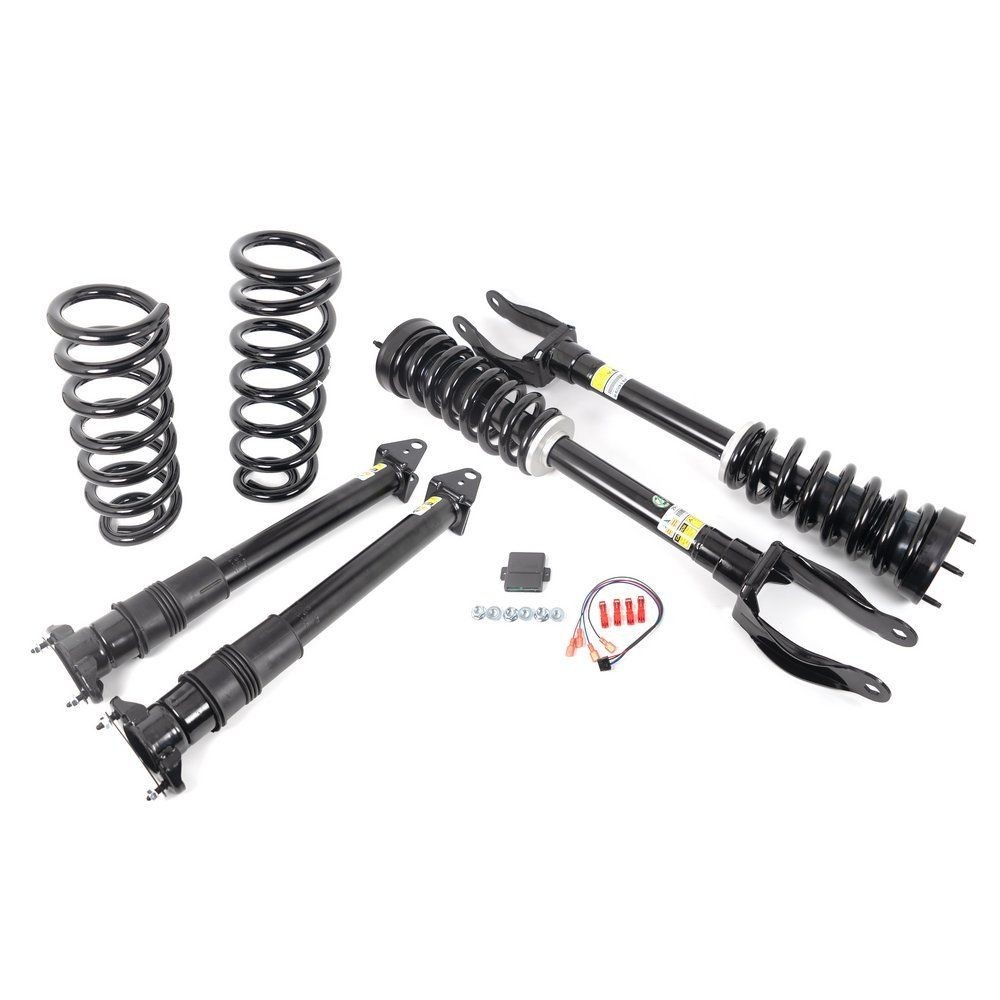
An Air Suspension Conversion Kit replaces the original air suspension system with conventional coil springs and shock absorbers, eliminating the need for pneumatic suspension components.
Depending on the vehicle model, a conversion kit may include:
- Coil springs
- Shock absorbers (where applicable)
- Upper mounts and installation hardware
- Electronic bypass module or warning light resistors (for selected vehicle models)
- Installation instructions
Once installed, the vehicle no longer relies on air springs, an air compressor, valve block, or pneumatic air lines. Instead, the suspension operates as a traditional coil spring system, offering a simpler mechanical design with fewer components that require maintenance.
Modern conversion kits are engineered specifically for individual vehicle models, ensuring correct ride height, suspension geometry, and predictable handling characteristics when installed correctly.
Why Do Some Vehicle Owners Choose Coil Spring Conversion?
The most common reason is the rising cost of repairing an ageing air suspension system.
As vehicles accumulate mileage, it is not unusual for several air suspension components to fail within a relatively short period of time. Owners often find themselves replacing more than one expensive part, such as:
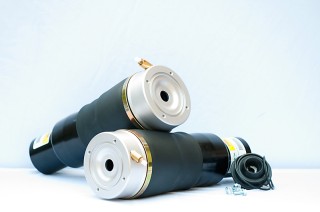
- Air springs
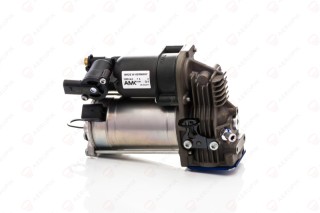
- Air compressor
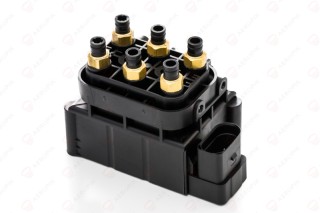
- Valve block
- Height sensors
- Air lines
- Relays and electrical components
When multiple components require replacement simultaneously, the total repair cost can quickly exceed the value many owners are willing to invest in an older vehicle.
In these situations, converting the air suspension to conventional coil springs can provide a practical and cost-effective long-term solution. Rather than continuing to repair an increasingly complex pneumatic system, many owners choose a simpler suspension setup that offers lower maintenance costs and improved long-term reliability.
Key Benefits of Converting to Coil Springs
Lower Long-Term Maintenance Costs
One of the main reasons vehicle owners choose a coil spring conversion is the potential to significantly reduce future maintenance expenses.
Once the air suspension system has been removed, there is no longer a need to maintain or replace many of the components that commonly fail over time, including:
- Air compressor
- Air springs
- Valve block
- Air lines and pneumatic connections
- Air dryer
- Solenoid valves
With fewer specialised components, the suspension system becomes simpler, making future repairs both easier and more affordable.
Another advantage is that, if some of the original air suspension components are still in good working condition, they can often be sold as used parts, helping to offset part of the conversion cost.
Improved Reliability
A conventional coil spring suspension has a much simpler mechanical design than an air suspension system.
Without compressors, air lines, pressure valves or electronic height adjustment components, there are considerably fewer parts that can develop faults over time.
Owners no longer have to worry about common air suspension problems such as:
- Air leaks
- Compressor failure
- Valve block malfunctions
- Uneven vehicle ride height
- Suspension warning messages
- Unexpected vehicle sagging after parking
For many drivers, especially those using their vehicle for everyday commuting, this increased simplicity translates into greater peace of mind and fewer unexpected repair bills.
Lower Repair Costs in the Future
Routine maintenance on a conventional suspension system is generally far less expensive than repairing a factory air suspension.
Standard shock absorbers and coil springs are widely available, less complex, and usually cost considerably less than replacing air suspension components.
As a result, long-term ownership costs can be reduced without compromising everyday driving safety or stability.
Are There Any Drawbacks?
Like any modification, converting from air suspension to coil springs is not the right solution for every vehicle or every owner.
Before making the decision, it is important to understand what functionality will no longer be available after the conversion.
Once the conversion has been completed:
- The vehicle will no longer automatically adjust its ride height.
- Suspension height will remain fixed at the factory-designed level.
- The system will no longer compensate for heavy loads or towing.
- On certain vehicle models, ride comfort may differ slightly from the original air suspension setup.
However, when a high-quality conversion kit is installed correctly, these differences are often minimal. Most drivers continue to enjoy stable handling, predictable road behaviour and a comfortable driving experience suitable for everyday use.
Ultimately, the decision comes down to priorities. If maintaining every original comfort feature is essential, repairing the factory air suspension may be the better option. If long-term reliability and lower ownership costs are more important, a coil spring conversion can be an excellent alternative.
Is ECU Coding or Reprogramming Required?
The answer depends on the vehicle model.
Many modern vehicles continuously monitor the air suspension system through electronic control units (ECUs). After removing the original air suspension components, the vehicle may detect missing sensors or actuators, triggering warning messages or fault codes on the dashboard.
To prevent this, many conversion kits include electronic components such as:
- Electronic bypass modules
- Suspension emulators
- Load resistors
These devices simulate the presence of the original air suspension components, allowing the vehicle's electronic systems to operate normally without displaying suspension-related warnings.
For some vehicles, additional software coding may also be required to fully deactivate the factory air suspension functions within the control unit.
For this reason, it is always advisable to choose a conversion kit specifically designed for your exact vehicle model and to have the installation carried out by a qualified technician familiar with the vehicle's electronic systems.
Advantages and Disadvantages at a Glance
| Advantages | Disadvantages |
|---|---|
| Lower long-term maintenance costs | No automatic ride height adjustment |
| Simpler suspension system | Not suitable for every vehicle |
| Fewer components that can fail | Slight difference in ride comfort on some models |
| No compressor, air leaks or valve block failures | Loss of automatic load levelling |
| More predictable maintenance costs | Original air suspension features are no longer available |
Installation
Although most air suspension conversion kits are designed as direct replacements for the original suspension components, installation should always be carried out by a qualified workshop with experience in suspension systems.
Professional installation helps ensure that all components are fitted correctly and that the vehicle retains its intended handling characteristics and safety standards.
Once the conversion has been completed, the following steps are strongly recommended:
- Perform a full wheel alignment.
- Check and torque all suspension mounting bolts according to the manufacturer's specifications.
- Inspect the vehicle for any stored fault codes.
- Verify that any required electronic modules or bypass devices are functioning correctly.
A properly installed conversion kit should provide stable handling, consistent ride height and reliable day-to-day performance.
When Is a Coil Spring Conversion the Right Choice?
Converting from air suspension to coil springs can be a practical and cost-effective solution in several situations.
A conversion is often recommended when:
- The vehicle has accumulated high mileage.
- Several air suspension components require replacement at the same time.
- The cost of repairing the original system is no longer economically justified.
- The vehicle is primarily used for everyday driving rather than specialist applications.
- The owner prefers lower long-term maintenance costs and a simpler suspension system.
For many older vehicles, a conversion offers an excellent balance between reliability, comfort and operating costs.
When Should You Keep the Original Air Suspension?
Despite the advantages of a conversion, repairing the original air suspension may still be the better option in certain circumstances.
Keeping the factory air suspension is generally recommended if:
- The vehicle is relatively new.
- It is regularly used for towing trailers or caravans.
- Heavy loads are frequently carried.
- Maintaining the original driving characteristics and premium comfort is a priority.
- Preserving the vehicle's factory specification is important for resale value or personal preference.
Modern air suspension systems offer features that conventional coil springs cannot replicate, particularly automatic load levelling and adjustable ride height.
If these functions are important to your driving needs, investing in the repair of the original system may provide greater long-term satisfaction.
How to Choose the Right Conversion Kit
Not all conversion kits offer the same level of quality, durability or compatibility.
When selecting a conversion kit, it is essential to choose one that has been specifically engineered for your exact vehicle make and model.
A high-quality conversion kit should provide:
- Precise compatibility with the original mounting points.
- Correct factory ride height.
- Stable and predictable handling characteristics.
- Durable, high-quality suspension components.
- Reliable long-term performance.
- Clear installation instructions and, where required, electronic bypass solutions.
Choosing a reputable manufacturer can make a significant difference in both installation quality and long-term reliability.
Conclusion
Converting an air suspension system to conventional coil springs can be a practical and cost-effective solution for many vehicle owners, particularly when repairing the original air suspension is no longer financially viable.
A professionally engineered conversion kit simplifies the suspension system, reduces the number of components that may fail in the future, and helps lower long-term maintenance costs while maintaining safe and predictable handling.
However, every vehicle and every driver has different requirements.
Before deciding whether to repair or replace your air suspension system, consider how you use your vehicle, the condition of the existing suspension components, and the importance of retaining features such as automatic ride height adjustment and load levelling.
By carefully evaluating these factors, you can choose the solution that best suits both your driving needs and your budget.
Need Expert Advice?
If you're considering converting your vehicle from air suspension to coil springs, choosing the right conversion kit is essential for achieving the best results.
At Aeropik, we offer carefully selected air suspension conversion kits designed for specific vehicle models, ensuring reliable performance, precise fitment and long service life.
Whether you need technical advice or assistance in selecting the correct kit for your vehicle, our team is here to help.
Browse our range of Air Suspension Conversion Kits or contact our specialists for professional guidance.